Adam Gibney
Adam Gibney
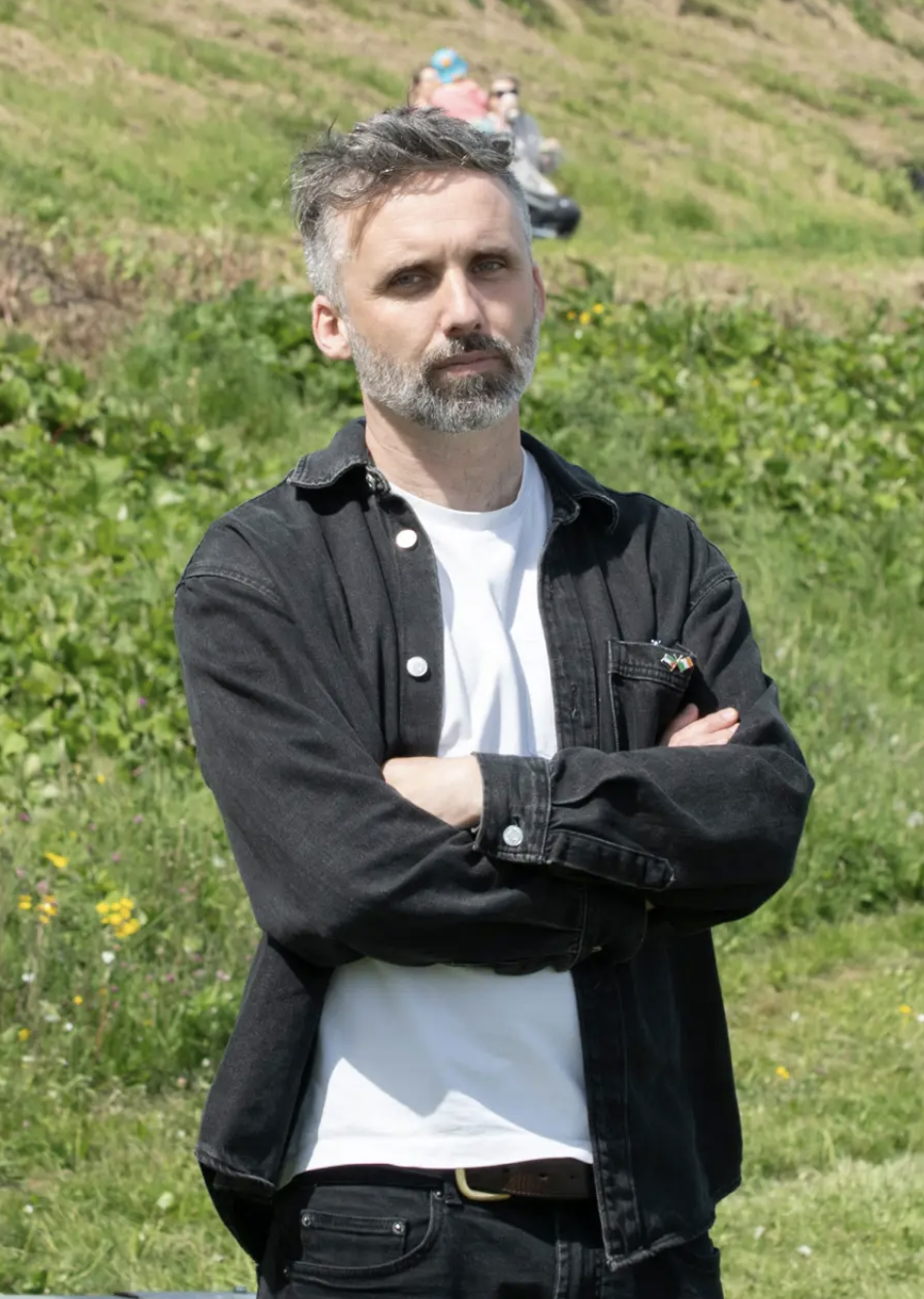
Bio: Adam Gibney is an interdisciplinary artist and educator based in Dublin, Ireland. Through his transdisciplinary practice, he utilises a range of media, including electronics, coding, sound, and digital fabrication methods, to critically examine the production and consumption of knowledge across multiple epistemological frameworks. His work engages scientific, philosophical, spiritual, and esoteric approaches to understanding reality, employing live computational processes to create intra-active artworks that question and destabilise the assumptions underpinning these systems.
Solo exhibitions include Cybernetic Reorientations of Being: NOVA (Mermaid Arts Centre, 2024) and Can_you_breathe_for_me? (Oonagh Young Gallery, Dublin, 2021; The Dock, 2022). Public art commissions include Tidal Composition 1: Fall and Rise (Fingal Arts Office, 2025) and Graft (The Glucksman Gallery and The National Sculpture Factory, 2021). He lectures at the National College of Art and Design.
Artwork Description and Title of Work: Memoir 1: Trust We
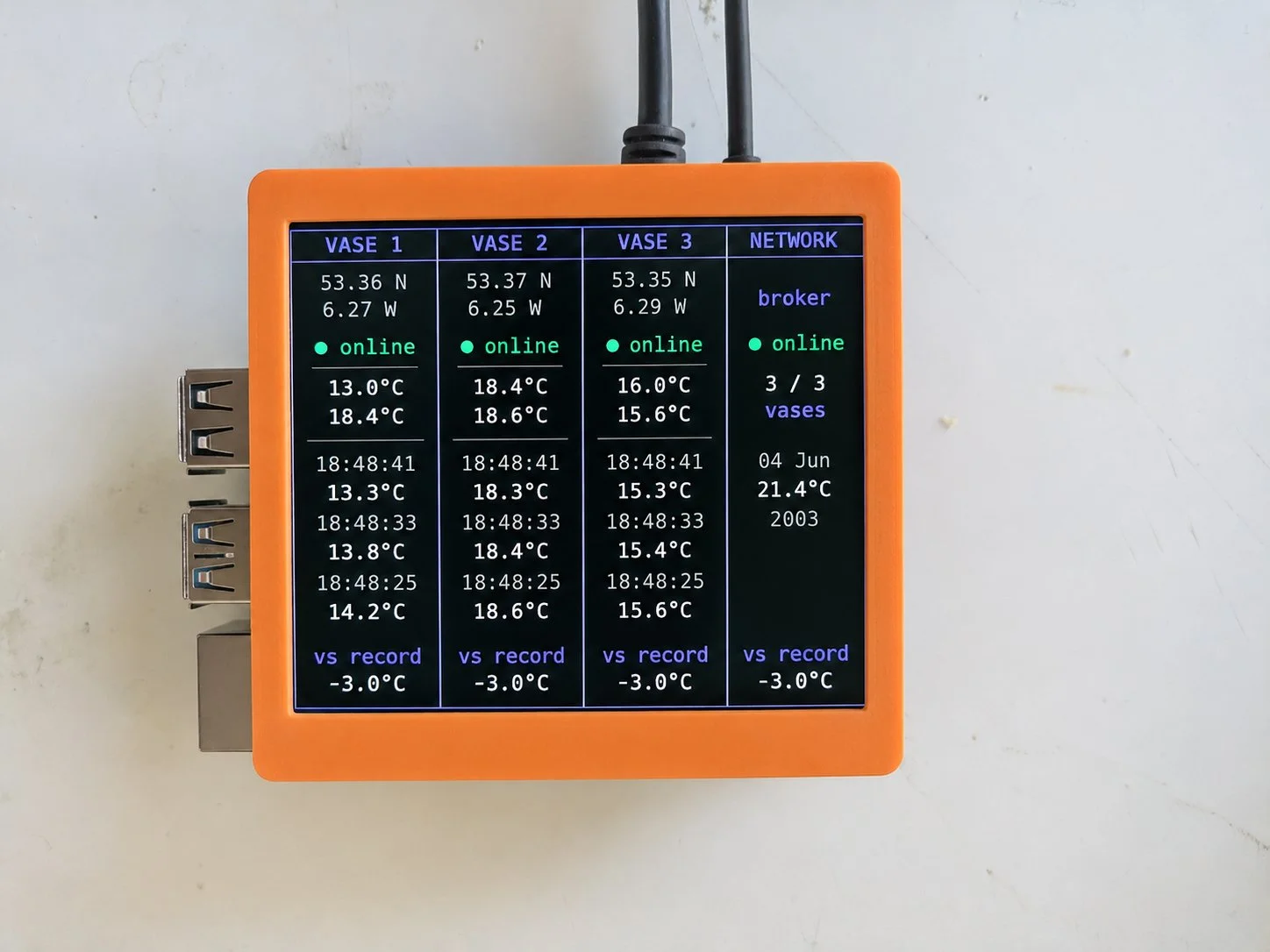
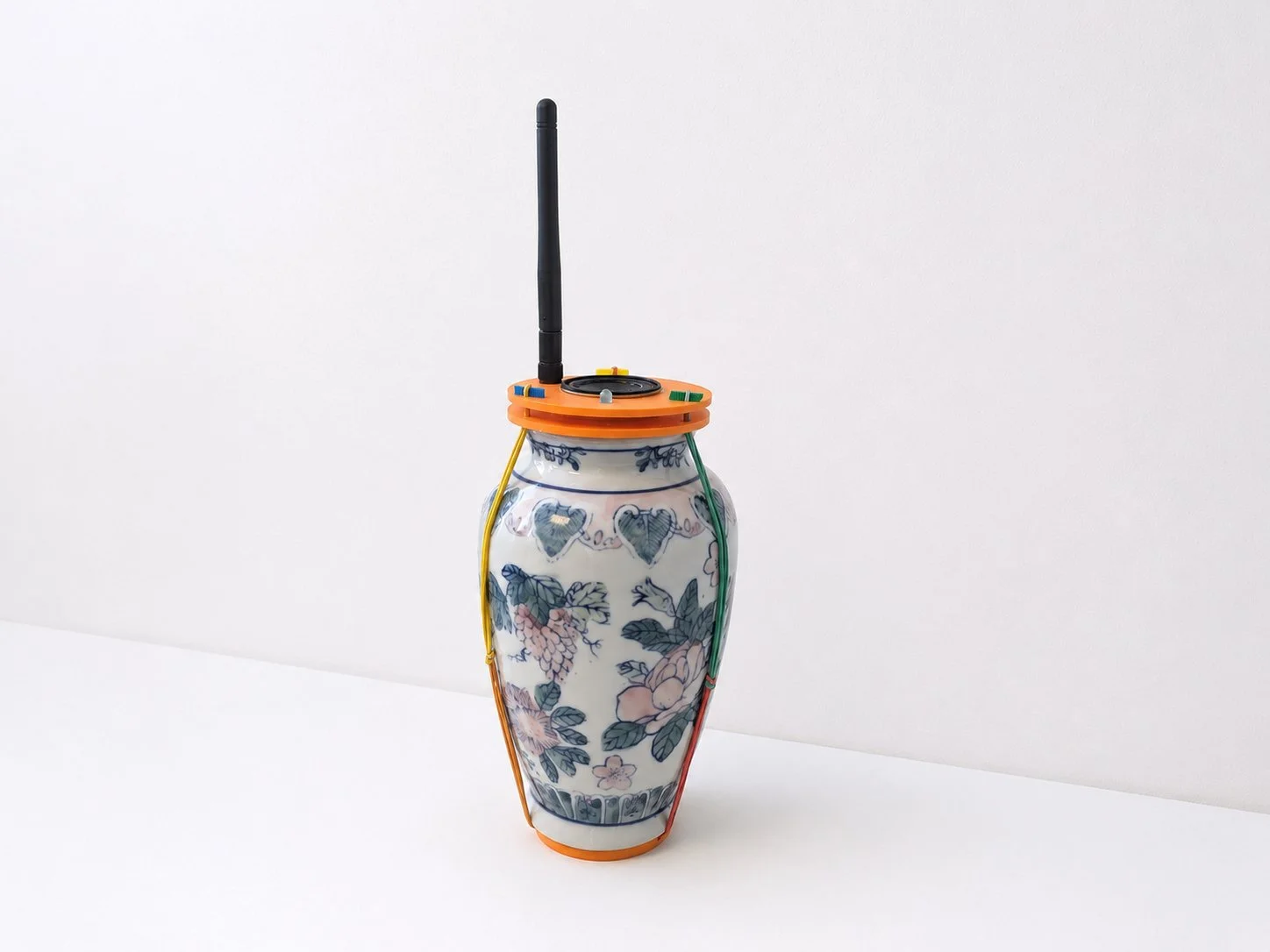
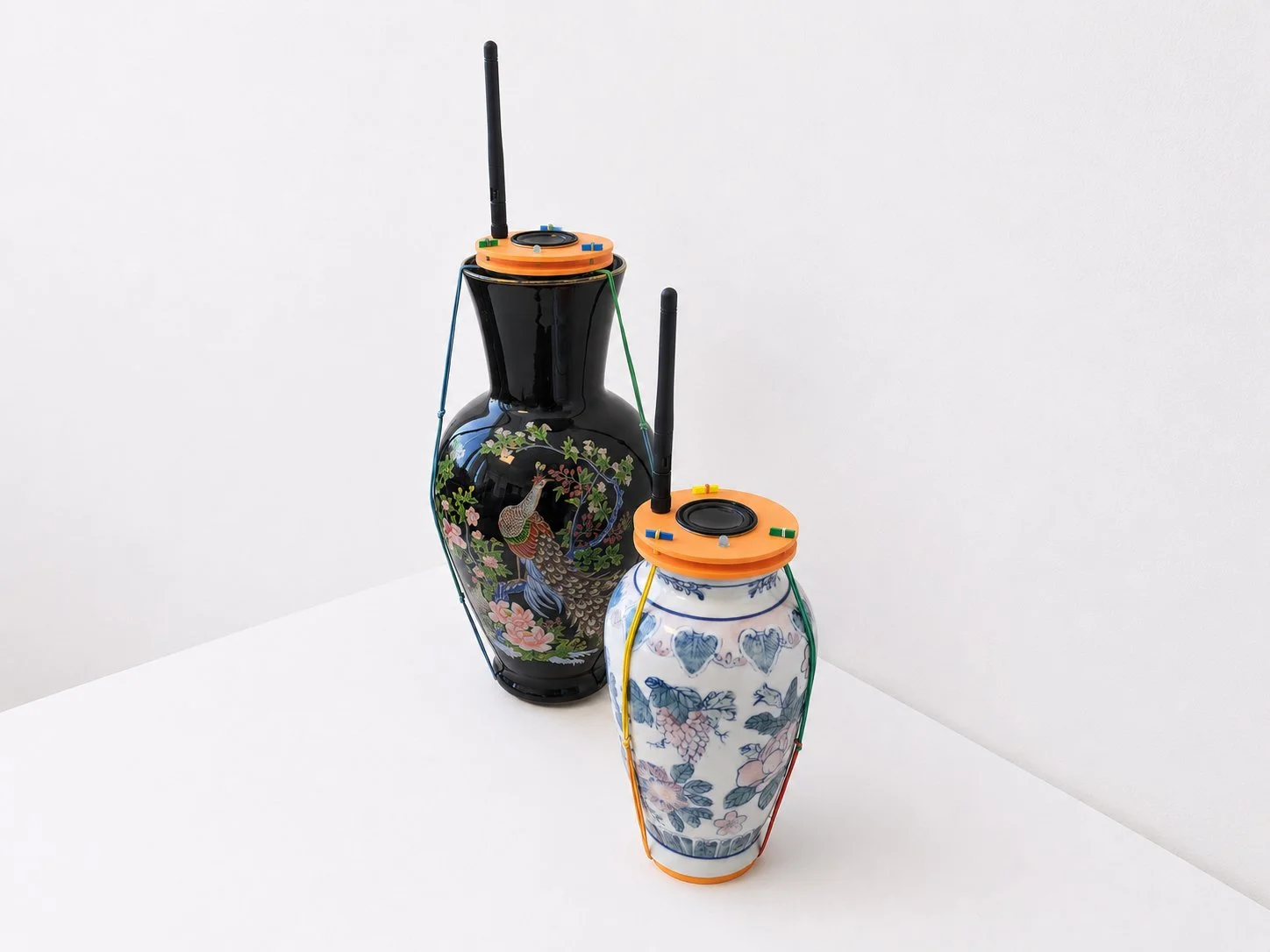
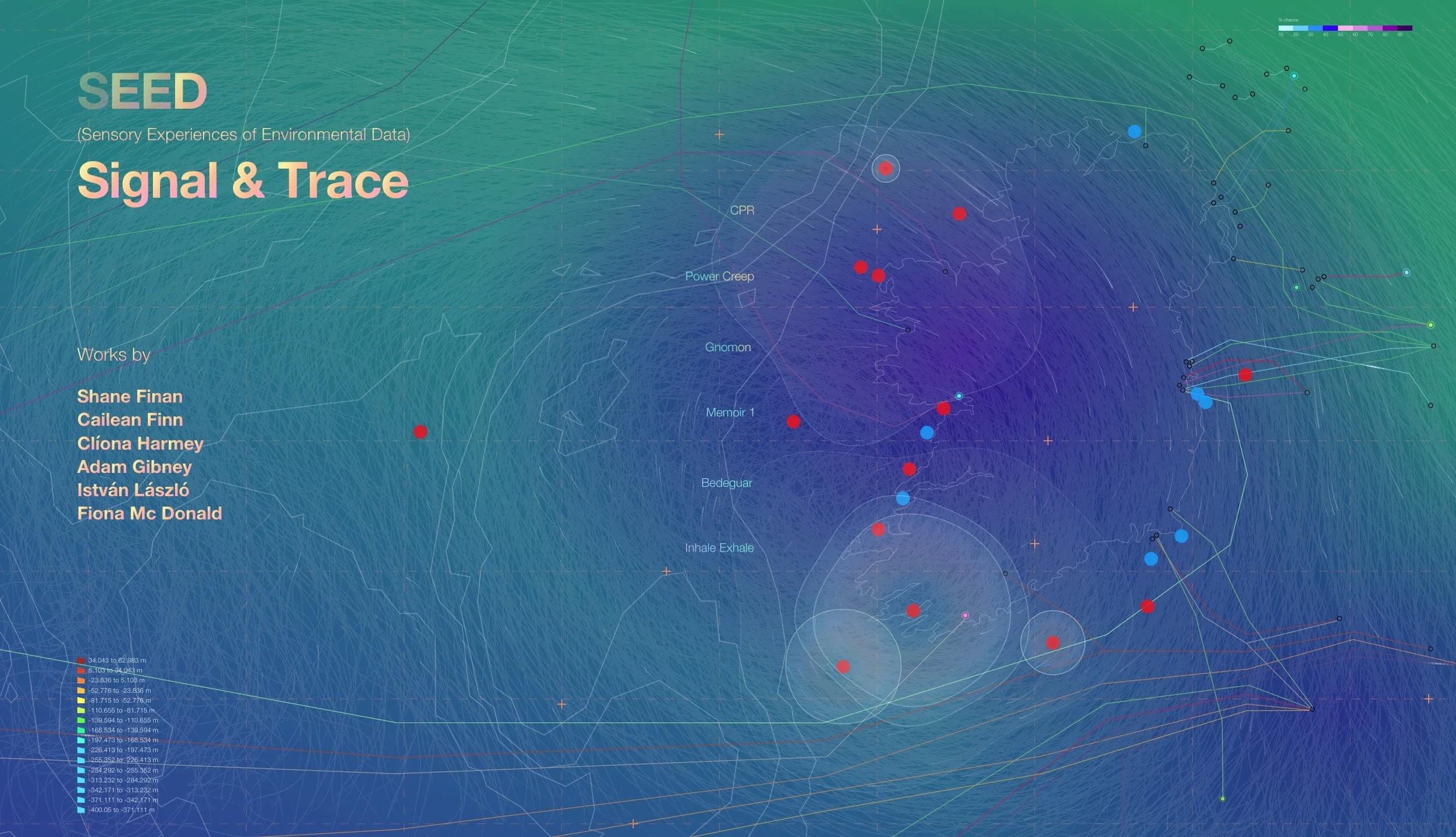
Memoir 1: Trust We was conceived to live in people's homes rather than in the gallery. It is a distributed network of electro-fitted domestic vases, an infrastructure for community-collected temperature data that speaks to our post-truth landscape, climate change, and climate denial. In its intended form it is a DIY assembly kit: each participant builds their own vase, and each becomes one node in a wider network. This wider deployment remains speculative for now. Exhibited at Beta Festival, is a demonstration of this public telematic artwork.
Each kit includes an external radio-controlled sensor that reads the outside temperature against historical records for that place and date. Only when all three vases independently confirm a daily heat record has been broken does the work activate: a scent is released, a sound marks the moment, and the participant is invited to respond, in writing, drawing, or another mark, to a single open-ended question.
Each broken record prompts one question word, how, why, when, what, where, which, who, and the work runs until the network has moved through them all. The responses gather into a new kind of Ordnance Survey Memoir. In the 1830s, as the Ordnance Survey mapped Ireland, surveyors were directed to compile written accounts of each parish, knowledge the map alone could not hold.
Website: www.adamgibney.com Instagram: @adam.gibney1
Featured events
Artwork