Cliona Harmey
Cliona Harmey
Bio: Cliona Harmey is an artist and educator who works with media technologies and artwriting.
She is currently a lecturer in the Media Department at NCAD where she runs a module called “Critical Making and Tactile Media” which focuses on a material led exploration of media practice and which uses small scale material making, as well as working with re-usable/
re-configurable open source hardware. She is one of the co-founders of the Frugal Media Research Group at NCAD, a group which brings together artists, students and researchers interested in working with lo-fi, frugal and tactile analogue and emergent digital media processes which consider resource and socio-technical material processes and the way in which these intersect with creative practices, affordances and resource use in a post-digital era. She works at a variety of scales and often makes work which is ephemeral or systems based. Her recent work often responds to contexts and situations where the local and the global intersect.
Artwork Description and Title of Work: Registers
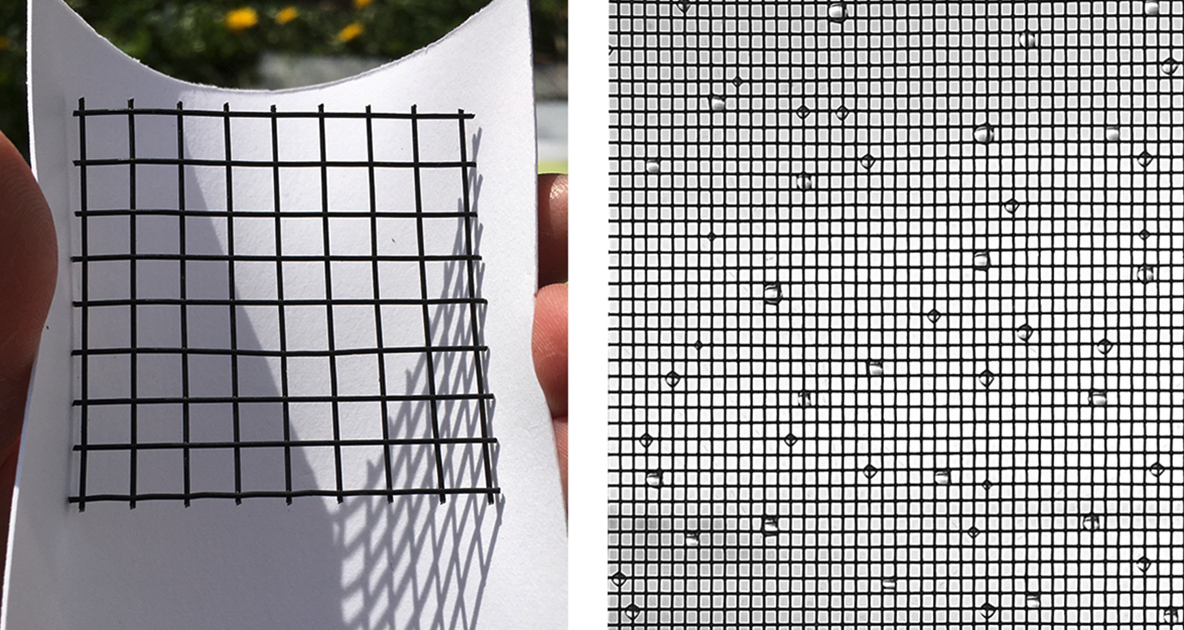
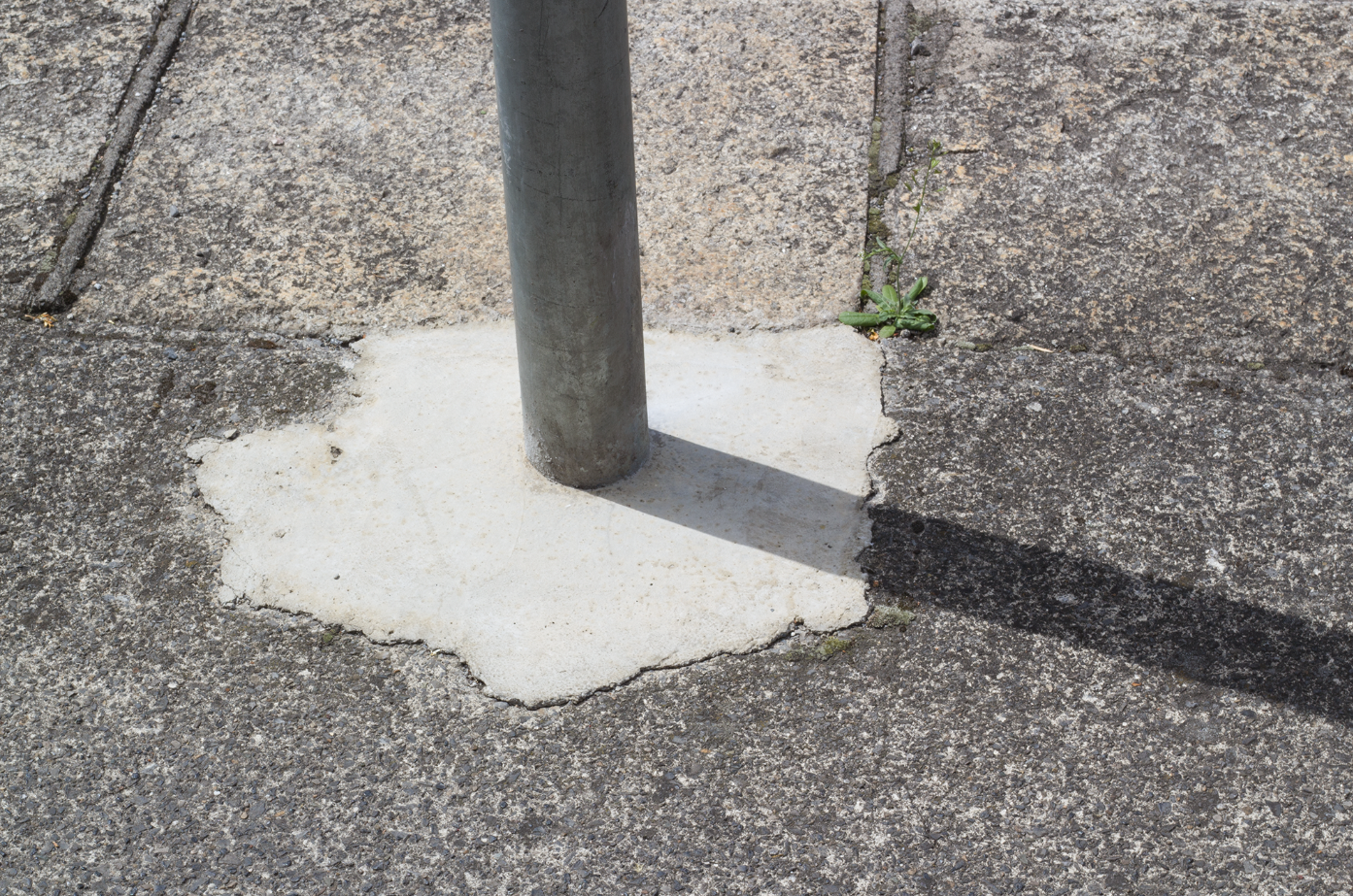
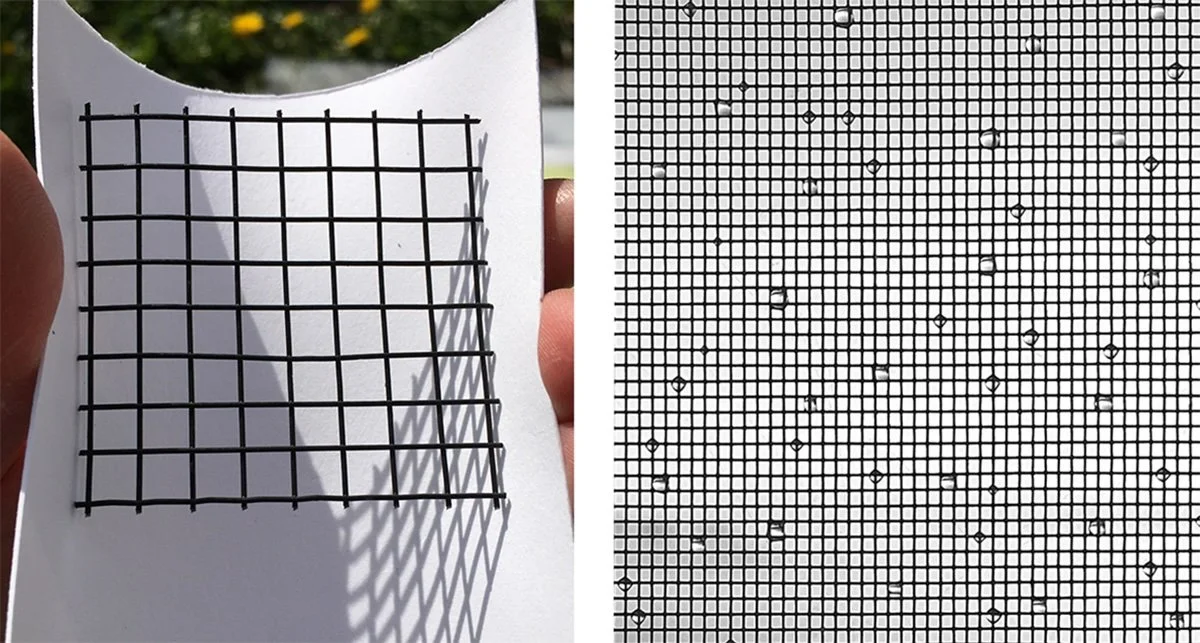
Artworks include a camera that opens its eye once a day, a text work which is activated by rain, as well as images showing how everyday street infrastructure can be used as improvised sensors which can help us to gauge climatic changes.
Thinking about light data received from the sun, guided research toward Gnomon V1, a low power device with a miniature camera, which wakes up once a day to capture an image of a shadow which over time creates a long-term visual trace.
In the artwork "Rain V1", an outdoor tipping bucket (rain gauge), is triggered by falling rain, activating an indoor display of human collected and collated words about water and rain taken from a variety of perspectives. The work is a response to the term “modern water” coined by geographer Jamie Linton who in his book “What is Water?” argues that modern western scientific conceptions of water have, at times, led to a homogenised reading of water as a singular resource to be engineered and controlled, but have sometimes left out a plurality of cultural readings: encompassing people, locations and entities which have a lived relationship to it. Linton proposes altering the way that we see water, reframing this vital substance as plural, being constituted of many waters each coming into confluence, having compositions and connections to locality differentiated via social conditions, uses, customs, rites, local climates, seasonal knowledges and adaptations which are registered and changed via a plurality of tacit knowledges, uses and personal experiences.
Instagram: @clionaha
Featured Events
Artwork